 Analysis by Gamescozy
I judge a quick racing game partly by what happens before the first run: can I understand what it wants from me, and can I play without needing a perfect setup or a long stretch of free time? Epic Plane Evolution is a racing game from VOODOO built around planes and progression. Its appeal is easy to grasp, but the experience is not automatically comfortable for every player. The important question is whether its simple premise fits your attention, vision, hands, and surroundings.
Easy to approach, with a narrow focus
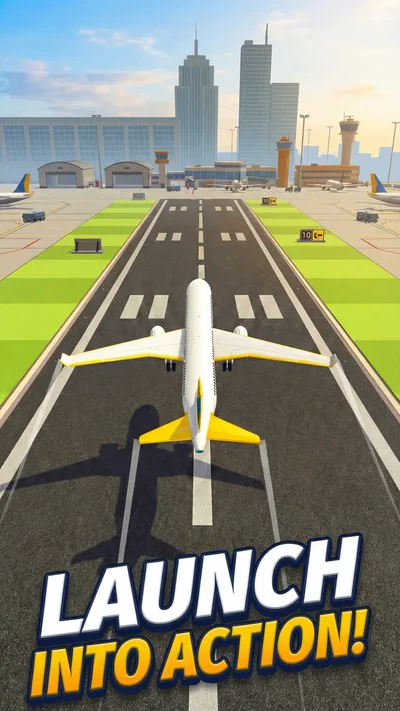
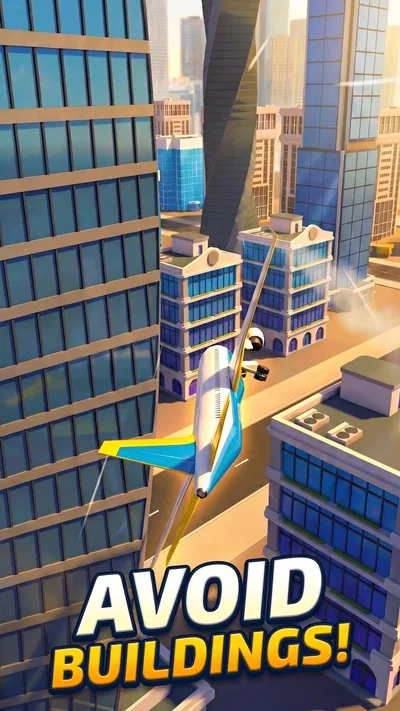
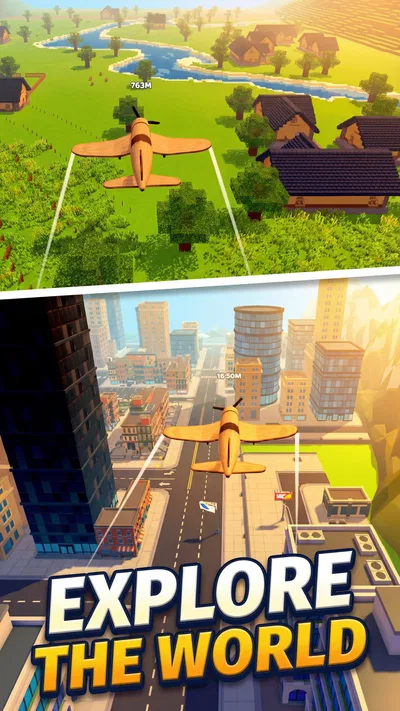
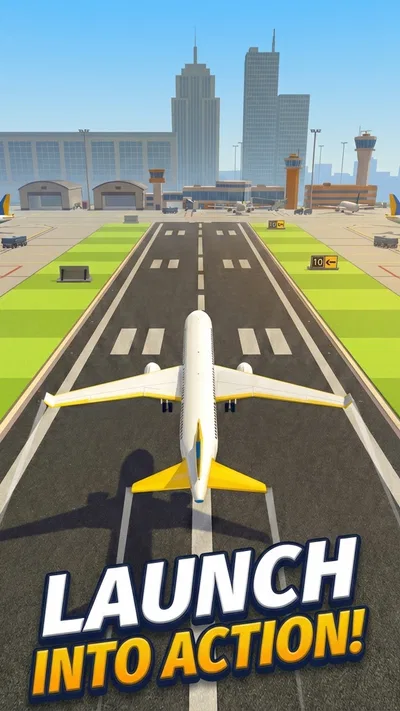
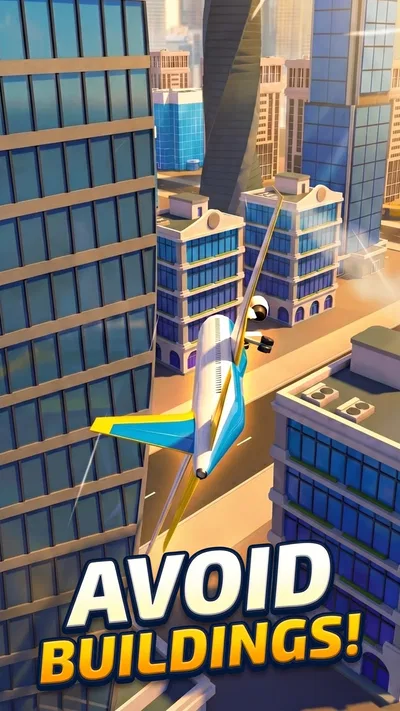
The basic idea is immediately legible: this is a plane-themed take on quick, arcade-style racing, not a detailed flight simulator. That distinction matters. If you want cockpit instruments, realistic aviation procedures, or carefully modeled aircraft handling, this is the wrong kind of game. I would approach it as a lightweight game about making progress and enjoying a short burst of movement, rather than as a serious test of piloting skill.
The title’s store summary points to an aerial conquest fantasy, while its short description frames the experience as plane evolution. Those phrases set a playful expectation, but they do not tell me how deep the racing becomes. I would therefore recommend trying it for the immediate appeal of its theme and seeing whether its progression holds your interest, rather than assuming that the premise guarantees a complex campaign.
Navigation and readability are part of accessibility, not mere polish. A game can be easy to start yet still make choices hard to understand if menus, prompts, or progression screens are crowded. I would take a moment on the first visit to read each screen before tapping through, especially if I am playing on a smaller phone or have difficulty distinguishing small text. A calm first look is more useful than rushing into a run and then trying to work out what I missed.
The game is free to download, and it is rated for Everyone. That lowers the commitment for a curious player or family member who wants to try a plane racing game without first paying an entry price. The trade-off is that optional in-app purchases range from $0.99 to $99.99 per item, so I would make purchase expectations clear before handing a device to a child. The age rating does not by itself answer whether a particular player will find the pace, visuals, or spending prompts comfortable.
Its average rating is 4.1, based on around 129,000 ratings, and it has more than 10 million installs. That suggests broad interest, but a crowd’s response cannot predict whether the game suits your needs. I treat those numbers as context, not as a substitute for checking how it feels on my own device. VOODOO has a recognizable place in the casual mobile-games space, and this release fits a pick-up-and-play style more than a simulation-first approach.
What a short session can and cannot offer
A useful way to test the game is to play one brief session with a specific question in mind: do I enjoy the loop enough to return, or does the plane theme do most of the work? This avoids mistaking a satisfying first impression for lasting depth. If you enjoy visible progression and a simple goal, the concept may be enough to make spare moments entertaining. If you need a substantial story, strategic race planning, or a large range of explicitly described modes, keep your expectations cautious.
I also would not assume that “racing” means the same thing here as it does in a conventional car racer. A car game often emphasizes cornering, braking, track knowledge, or tuning. A plane-based arcade game makes a different promise: a change of setting and a more playful sense of movement. That difference is the reason to try this one, but it may also be why a fan of precise lap times or realistic vehicle control would prefer another title.
Hands, eyes, and attention
Touch controls can be a useful way to make a mobile game approachable, but they are not equally comfortable for everyone. Players with limited dexterity, tremors, hand pain, or difficulty making repeated gestures may find any fast, touch-led racing demanding. I would test the controls while seated and relaxed before playing for long, and stop if my hands start to feel strained. A short trial is a practical check; it is not a promise that the controls can be customized to suit every need.
For players with low vision or reading difficulties, the key question is whether the essential prompts and changing action remain easy to follow on their own screen. Screen size, brightness, glare, and viewing distance all change the experience. Try a run in a well-lit, low-glare setting, and increase the phone’s system text size if that helps with surrounding interface text. System-level adjustments may not enlarge every in-game element, so I would not rely on them to solve all readability issues.
Fast movement and changing visuals can also be uncomfortable for people who are sensitive to motion, flashing, or busy scenes. I would start with a short session and pay attention to how my eyes and balance feel, rather than pushing through discomfort to finish a run. If the visual pace is unpleasant, a slower puzzle or turn-based game is a better choice. This is especially relevant when choosing a game for someone else: a broad age rating is not a guarantee of sensory comfort.
Sound is another individual factor. I would try the game at a comfortable volume and in a place where I can concentrate without needing to hear surrounding conversation or announcements. If I am playing somewhere that calls for silence, I would check whether the experience remains understandable with the device muted; I would not assume that every cue has a visual equivalent. That small test helps establish whether the game works for quiet spaces, rather than discovering the answer in the middle of a commute or waiting room.
Choosing the right moment to play
For an everyday use case, imagine a short wait before an appointment. A quick game can make that pause feel less empty, and a racing theme may be more engaging than another passive scroll. I would choose a place where I can hold the phone steadily and give the screen my attention, then stop as soon as I need to respond to someone. The game is not a good fit for moments when I must watch traffic, supervise a child, or stay alert to instructions around me.
At home, it may suit a casual handoff between people who want to try a plane-themed game, especially when no one is expecting realistic flight controls. I would still agree on spending rules first, because free access and paid in-app items can coexist. For a child who taps quickly or does not understand purchases, adult supervision and device-level purchase safeguards are sensible. That is a practical precaution, not a judgment about the game’s content.
On public transport, the decision depends less on the game’s genre than on the conditions. A moving vehicle, bright reflections, crowded surroundings, or a need to stand can make visual attention and touch control less comfortable. If I cannot hold the device securely or keep my place in the action, I would save it for a steadier stop. Someone who wants a game that can be played almost entirely by sound, or without looking continuously at the screen, should consider a different type of mobile game.
The game is listed for Android devices running version 8.0 or later. That gives an initial compatibility check, but an operating-system requirement does not guarantee that every supported phone will feel equally smooth or readable. I would install it on the device I actually plan to use and assess the controls, text, and visual comfort there. The current version is 1.14.1, a useful detail when checking whether an installed copy is up to date.
Where the inclusive experience still has limits
The game’s biggest practical strength is its clear, approachable theme: I do not need to be interested in aviation to understand that I am playing a plane-focused racer. But a simple premise is not the same as a fully adaptable experience. Players who depend on clearly adjustable text, remappable controls, reduced motion, captions, or alternative input methods should check the game directly for the options they need before settling in. I would not assume those accommodations are present merely because the game is casual.
There is also a difference between a game being easy to begin and being easy to keep playing. A short run may be manageable, while repeated sessions could be tiring for someone with limited stamina or hand comfort. I recommend treating breaks as part of the play plan: try a small amount, notice whether the controls or visuals cause strain, and return only if the experience remains comfortable. That approach is more reliable than judging accessibility from a quick glance at the store page.
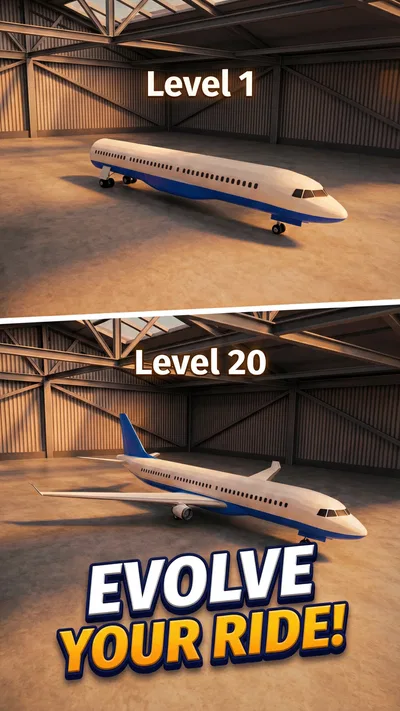
Progression can be motivating, but it can also create pressure to keep going or spend money. Since the game includes paid items, I would decide in advance whether I am playing strictly for free and avoid making purchases impulsively during a session. If I am setting up a device for a younger player, I would review purchase controls before the game is opened. People who dislike monetized progression may be happier with a paid game that has a clearly defined upfront cost, even if it offers a different style of racing.
There are sensible alternatives depending on what you value. A traditional car racer is a better match if you want familiar road tracks and vehicle handling. A flight simulator is better if you want realism and detailed piloting. A slower puzzle game may work better if visual motion or quick reactions are barriers. Epic Plane Evolution is most appealing when the plane theme and casual racing format are the main draw, not when accessibility customization or simulation depth is the deciding factor.
My recommendation for the right player
I would recommend trying Epic Plane Evolution if you want a free, easy-to-understand plane racing game for casual sessions and are comfortable playing through a touch screen. Its popularity—over 10 million installs—shows that plenty of people have given it a try, while the 4.1 average points to a generally positive reception rather than universal approval. The fairest test is still personal: see whether the action stays readable, the controls feel manageable, and the progression remains enjoyable after the novelty of the theme fades.
I would be more cautious if you are buying for someone with specific access needs, if fast visuals make you unwell, or if you want firm assurances about control and display customization. In those cases, check the actual game on the intended device before making it a regular choice. I would also skip it if I wanted a serious aviation experience or a racer built around detailed track tactics; its appeal lies in a lighter, plane-centered approach.
VOODOO released the game on May 6, 2023, and its current version is 1.14.1. For me, those details are less important than whether a particular session fits the player and setting. The strongest reason to try it is the straightforward fantasy of racing with planes; the strongest reason to pause is that “casual” does not automatically mean comfortable for every set of hands, eyes, or circumstances. My inclusive verdict is to treat it as an easy experiment, not a guaranteed fit: try a brief session, check the screen and controls, and keep it only if the experience feels genuinely comfortable.